

VIDEO: The two biggest mistakes landlords make when looking at their EPC
With proposed changes to minimum EPC standards on the horizon, more landlords are digging out their Energy Performance Certificates (EPCs) to see where they stand.
For many, the goal is simple: achieve an EPC rating of C before any new legislation comes into force.
But there's a mistake I see landlords making time and time again. In fact, there are two!
Mistake #1: Only looking at the headline rating
Most landlords open their EPC, look at the big coloured graph, see a D or an E, and immediately start thinking about expensive upgrades. The problem is that the headline rating only tells part of the story.
If you scroll further down the certificate, you'll find a detailed breakdown of the assessor's findings:
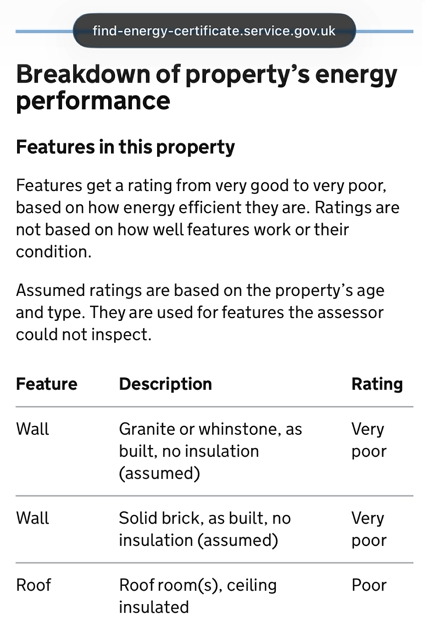
This section explains how your property's overall score has been calculated and highlights the features that are helping - or hurting - your rating.
It's well worth spending a few minutes looking through this table before you make any decisions about spending money. Not only will you understand why your property received its current rating, but you may also spot something that isn't quite right.
Which brings me to the second mistake...
Mistake #2: Forgetting that EPCs contain assumptions
An EPC is only as accurate as the information available to the assessor on the day of the inspection. Where they can't verify something, they'll often make an 'assumption'.
For example, if they couldn't access your loft to inspect the insulation, they may record the insulation level as "assumed."

If they’ve assumed you don’t have insulation but you actually do, that’s going to negatively affect your rating, and could be the difference between a D and a C.
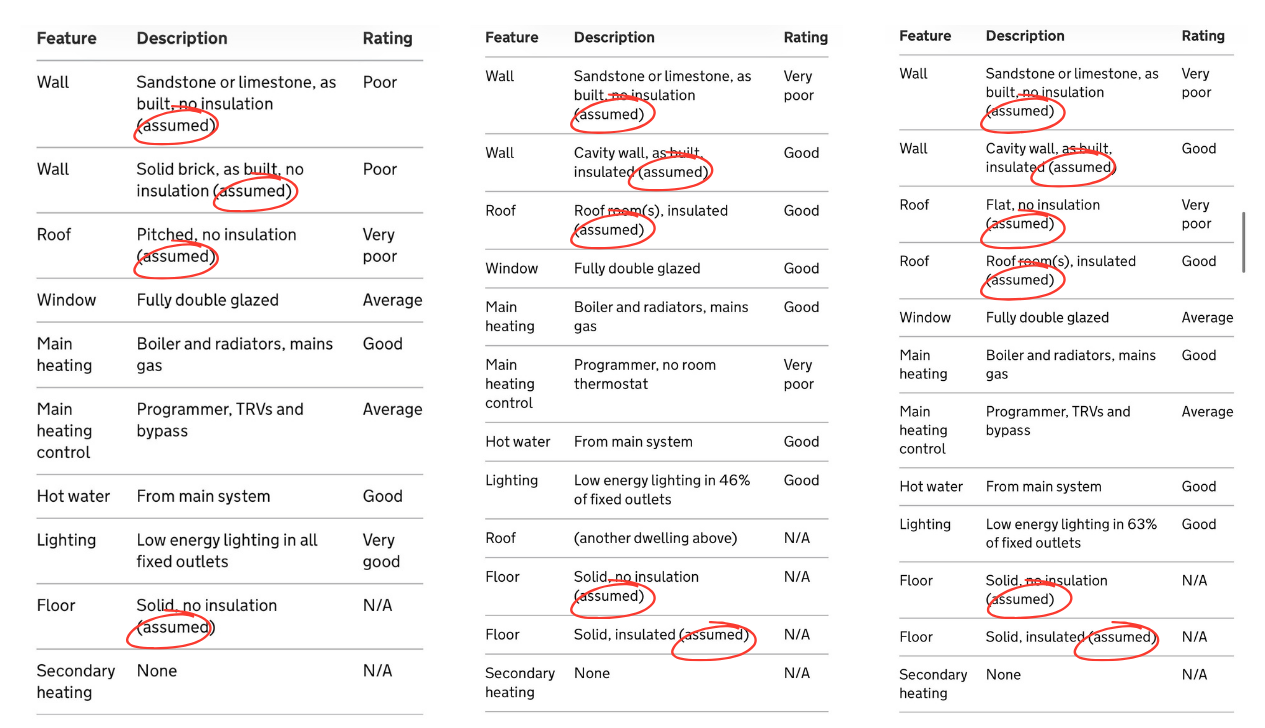
To see how widespread this is, I entered a random postcode into the EPC register and looked at three different properties. Every single one contained assumptions and it wasn't just loft insulation.
There were assumptions about walls, glazing, heating systems and other parts of the property that all contribute to the final rating.
Help your assessor get it right
One of the easiest ways to improve the accuracy of your EPC is to give the assessor as much information as possible. If you've made improvements over the years, don't assume they'll automatically know about them. Keep records of things like:
- Loft or cavity wall insulation
- Replacement boilers or heating systems
- Double or triple glazing
- Renewable energy installations
- Any other energy efficiency improvements
Invoices, certificates and installation records can all help the assessor produce a more accurate report.
Is it worth getting a new EPC?
If your current certificate is several years old - or you know you've carried out improvements since it was produced - it may well be worth commissioning a new EPC.
That way, you're making decisions based on up-to-date and accurate information rather than assumptions or outdated data.
The best-case scenario is that your property already achieves a C or higher. If so, you'll have a valid EPC that lasts for 10 years, giving you certainty and potentially saving yourself unnecessary improvement works.
If it still falls short, at least you'll have a much clearer understanding of exactly what's holding the property back and what improvements are likely to have the biggest impact before any new rules are introduced.
Either way, you'll be planning from facts rather than guesswork.
If you found this useful and want straightforward landlord tips, property updates and practical advice without the jargon, come and follow me over at The Cardiff Letting Agent on Instagram.

The information contained within this article was correct at the date of publishing and is not guaranteed to remain correct in the present day.